

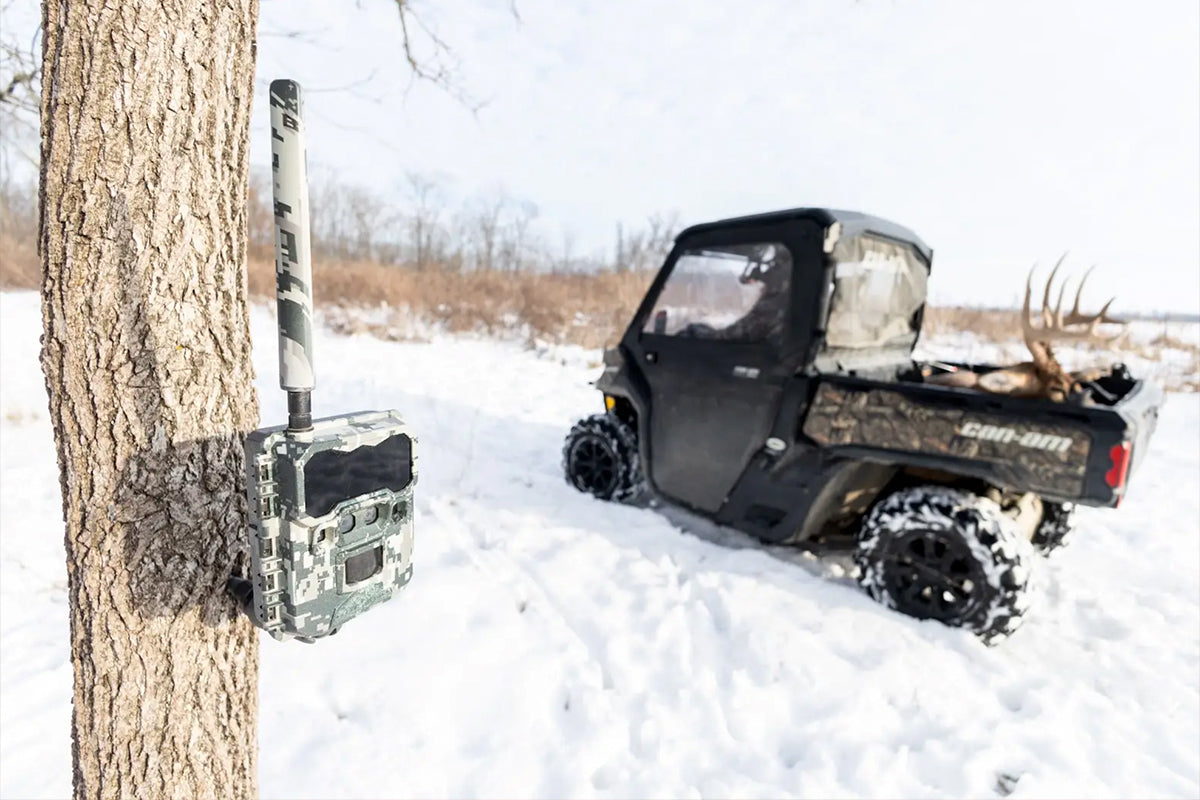
Late-season whitetail hunting in December is a different game—colder, quieter, and far more strategic. Deer behavior changes drastically as winter sets in, food becomes scarce, and hunting pressure peaks. But if you know what to look for (and how to adjust), December can be one of the most rewarding times to punch a tag. Below are six late-season whitetail tactics that consistently deliver results and help hunters capitalize on the final weeks of the season.
1. Focus on High-Calorie Food Sources
When temperatures drop, deer shift from rut-driven movements to energy conservation. Their number one priority in December? Food.
Late-season whitetails are highly predictable around high-calorie food sources:
- Standing corn
- Cut corn
- Soybeans
- Winter wheat
- Brassica plots
- Acorns still on the ground
- Green browse near edges
If you can find concentrated food, you’ll find concentrated deer. Evening hunts are especially productive as deer move from bedding to feed before nightfall.
SEO tips included: “late-season food sources,” “December deer patterns,” and “best winter food for whitetails.”
2. Set Up Near Bedding Cover—But Don’t Push Too Close
In the late season, bedding areas tighten. Deer cluster closer together for warmth and security, especially in thick cover like:
- Cedars
- Pines
- South-facing hillsides
- Brushy creek bottoms
- Thermal cover with wind protection
The key is hunting the edges, not the bedding itself. December deer are extremely sensitive to pressure. One mistake in a bedding area can shut movement down for days.
Look for:
- Trails leading from cover to food
- Morning entry trails with fresh snow tracks
- Thick transitions between timber types
A smart edge setup keeps you invisible while still intercepting predictable movement.
3. Use Trail Cameras Strategically for Low-Pressure Scouting
Late-season scouting is about gathering intel without alerting deer. This is where trail cameras become your best tool.
In December, shift cameras toward:
- Food sources
- Bedding-to-food travel corridors
- Pinch points created by snow
- Creek crossings
- Thermal cover edges
Use video mode when possible. Short daylight feeding windows mean timing is everything, and video gives you direction, pace, and buck-to-doe ratios.
If you’re running cellular trail cameras, even better—you can stay completely out of the area while the camera does the work.
SEO phrases: “December trail camera tips,” “late-season trail camera setup.”
4. Adjust Your Scent Control for Cold Weather
Cold weather is a double-edged sword for scent. On one hand, cold air slows scent molecules. On the other hand, dense winter air holds scent low to the ground for longer.
To stay invisible in December:
- Hunt with the wind quartering away
- Avoid low spots where cold air pools
- Wash outer layers with scent-free detergents
- Store gear in sealed containers
- Try to avoid sweating while walking in
Late-season wind patterns can be erratic, especially around thermal cover, so stay flexible.
Trending search terms: “late-season scent control,” “how deer smell in cold weather.”
5. Capitalize on Midday Movement
Most hunters assume late-season movement happens only at dawn or dusk. But when December brings bitter cold, deer often move midday to warm up and feed.
You’ll see midday movement rise when:
- Morning temps are extremely low
- The sun breaks through
- Wind speeds drop
- A warm front follows a freeze
South-facing slopes, open timber with filtered sun, and food sources near bedding can produce excellent midday action.
Staying in the stand longer than everyone else is often the difference between a tag filled and a season ending empty-handed.
SEO phrases: “late-season midday deer movement,” “December deer activity times.”
Final Thoughts
Late-season whitetail hunting requires patience, discipline, and smart patterning. By focusing on food, reading weather shifts, protecting bedding areas, and using trail cameras wisely, you can dramatically increase your odds of success in December. This time of year rewards hunters who play the long game, make low-impact decisions, and capitalize on every small advantage winter provides.
If you want the most predictable deer patterns of the entire season, December is where it happens. Use these proven strategies, adjust your setup to the conditions, and finish your season strong.

Share:
The Best Holiday Gift Ideas for Hunters in 2025
Gear Deep Dive: Must-Have Accessories for Winter Hunting + Scouting