

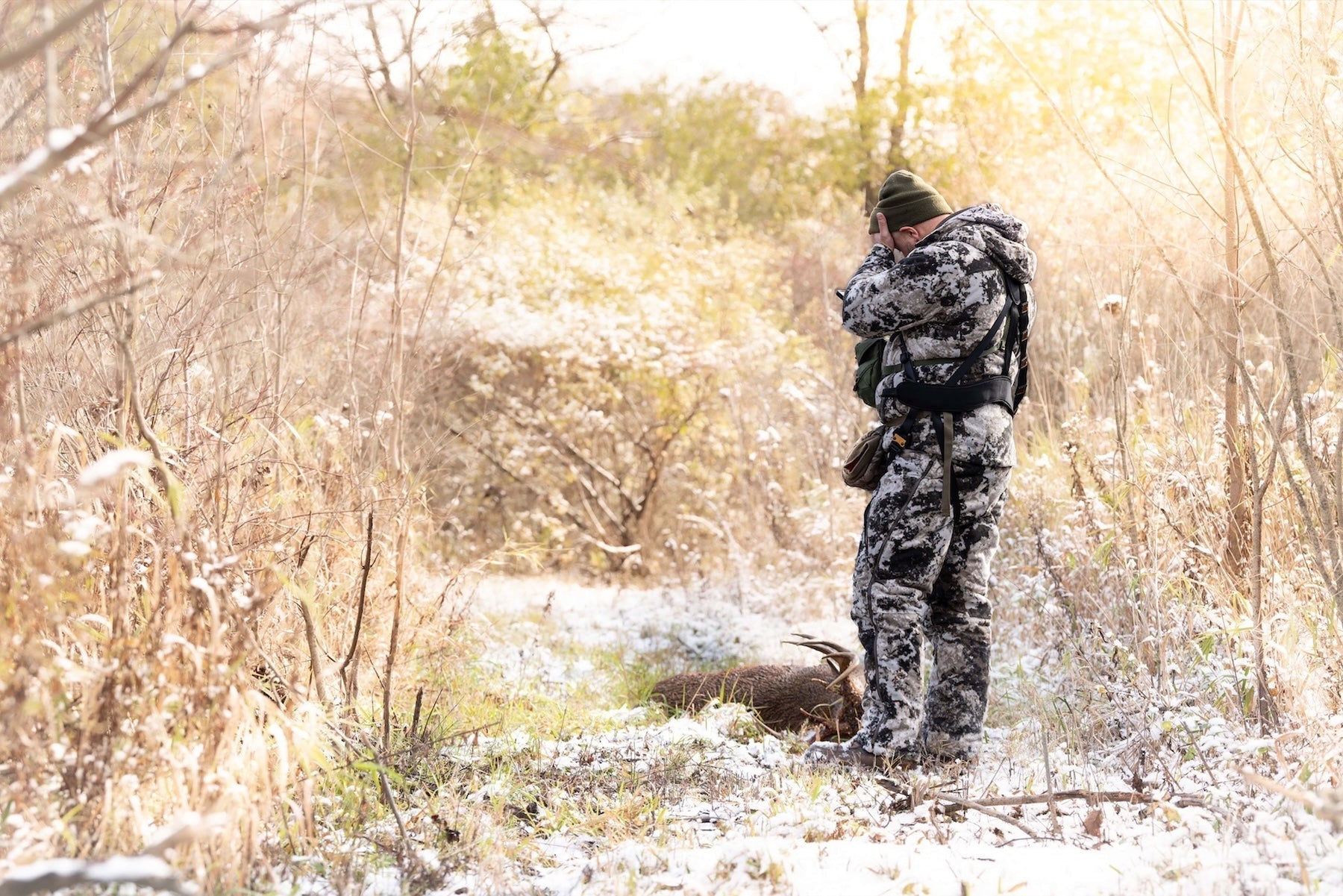
Winter doesn’t just change the landscape — it changes everything about how hunters move, scout, and gather reliable information. Cold temperatures, deep snow, and shortened daylight hours put your gear to the test, and the accessories that work in October don’t always hold up in January. Success in winter scouting comes down to preparation, durability, and choosing equipment designed for harsh environments. When your outerwear, boots, gloves, and trail-camera accessories are built to withstand the elements, you dramatically improve the quality of your winter intel.
Cold-Weather Gear That Keeps You Moving in Harsh Conditions
When the temperature drops, your body becomes one of the biggest obstacles to effective scouting. Staying warm without overheating, staying dry while covering ground, and staying mobile while managing layers become critical factors in both comfort and performance.
A great winter outerwear system is the foundation. Jackets and bibs built for wind-blocking and heat retention help conserve energy during long scouting loops or slow methodical walks into bedding zones. Many hunters underestimate how much warmth they lose on ridge tops or open fields during winter scouting. Clothing with insulated cores, waterproof shells, and quiet fabrics keeps you warm while preserving stealth — crucial when you’re running cameras around active winter patterns.
Footwear is just as important. Frozen ground, icy creeks, and uneven terrain amplify the need for insulated boots with solid tread. Good traction prevents slips in snow-packed travel corridors, while waterproof linings help you cross low areas without soaking your socks. Pairing your boots with wool or moisture-wicking socks keeps your feet dry, warm, and ready for long distances in frigid weather.
Hands often pay the highest price during winter scouting. You need warmth, but bulky gloves make it hard to adjust trail cameras, pull cards, handle straps, or scroll through your phone. A layered glove system — liners for dexterity, shells for wind protection — offers the best balance. Winter scouting involves enough setups and small adjustments that numb fingers can cost you valuable time or compromise your camera placement.
Lighting becomes surprisingly important as well. Short winter days and prolonged gray skies mean you’re often moving in low-light conditions. A reliable headlamp helps you hike in safely, check cameras before first light, or exit a property after sunset. Bright, cold-resistant lights with a red beam option allow you to navigate without unnecessarily spooking wildlife.
Finally, insulated battery packs can be a lifesaver. Phones, GPS units, and accessories drain rapidly in freezing temperatures. A high-quality power bank designed for cold weather ensures your communication and navigation tools don’t quit when you need them most.
Trail-Cam Accessories That Make Winter Scouting More Accurate
Winter is the season that exposes whether your trail-camera setup is truly built for the outdoors. Snow, freezing rain, and shifting tree limbs create challenges you rarely deal with during fall hunts. The right accessories don’t just protect your camera — they improve your scouting accuracy.
Rugged mounts are one of the best upgrades you can make. Plastic mounts sometimes become brittle in the cold, loosen under the weight of snow, or shift during freeze-thaw cycles. Heavy-duty metal mounts provide stability and precision, especially when you’re aiming your camera downward from higher placements to stay above snowbanks.
Security boxes become even more valuable during winter. Besides preventing theft, they protect your camera from crushing snow loads and from branches or ice breaking free during storms. A tight, structured lockbox adds an extra layer of insulation and helps maintain consistent positioning even in punishing weather.
Moisture management is another overlooked component of winter scouting. Rapid temperature swings can cause condensation inside trail cameras, fogging lenses or damaging components. Simple add-ons such as silica packs, anti-fog inserts, and rubber washers help create a controlled interior environment that keeps your camera functioning clearly throughout the season. Shield-style covers or angled mounts also help prevent snow from packing directly against the lens.
Battery performance becomes a real issue with cellular trail cameras in particular. Cold weather drains batteries much faster than hunters expect. Using lithium batteries, insulated compartments, or external power packs designed for winter can extend your camera’s operational lifespan dramatically. In deep winter scouting situations where you want minimal intrusion, dependable battery performance is essential.
Why Black Gate Gear Excels in Harsh Element Hunting
The true test of trail-camera quality is winter. Snowstorms, freezing temperatures, and unpredictable weather expose the weaknesses in cheap camera designs. Black Gate’s cameras are built specifically for hunters who push into rugged terrain and demand performance year-round.
The durability of Black Gate’s housings makes a significant difference in winter reliability. When temperatures dive below freezing and the landscape shifts, the camera’s sealed construction helps protect electronics from moisture, frost, and condensation. High-quality sensors and processors also shine during winter’s unique lighting conditions. Snow glare, flat midday light, and long periods of dawn or dusk challenge most cameras — but Black Gate’s image processing handles those scenarios with clarity and detail.
Cellular performance is another area where Black Gate stands out. Winter scouting often takes place far from maintained trails or populated areas. A cellular trail camera needs a strong, stable connection to deliver real-time data without constant battery failure. Black Gate’s cellular models maintain signal and consistency in environments where other cameras struggle, giving hunters dependable winter intel without repeated trips into the field.
Perhaps the greatest advantage is the rugged build quality. Black Gate cameras are designed to stay locked in place during ice storms, heavy winds, and wildlife interaction. When the elements get rough — and they always do in winter — reliability matters more than anything else.
Final Thoughts
Winter hunting and scouting require gear that can take a beating. From the clothing that keeps you warm and mobile to the trail-camera accessories that protect your equipment, every decision affects the quality of your winter intel. With the right combination of cold-weather essentials and rugged, dependable trail cameras like those from Black Gate, you’ll gather clearer, more consistent data that sets you up for spring scouting and next season’s success.

Share:
5 Late-Season Whitetail Tactics Every Hunter Should Use in December
Winter Trail-Cam Setup: How to Optimize Your Cameras for Cold & Snow