

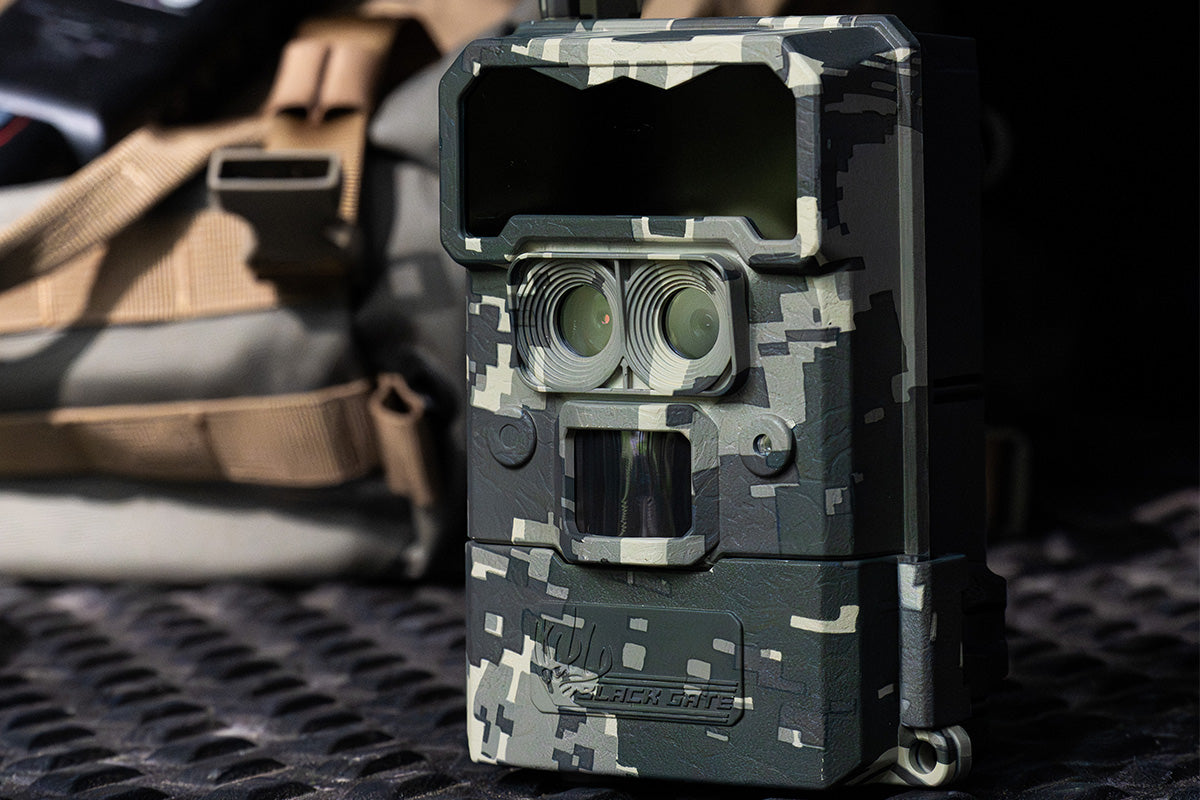
Trail cameras have come a long way. In 2026, one of the biggest decisions hunters face isn’t brand or megapixels — it’s whether to go cellular or stay traditional. Cellular trail cameras have become more reliable, more affordable, and easier to manage, changing how hunters scout and monitor property.
Organizations like the National Wild Turkey Federation emphasize minimizing disturbance while gathering meaningful data. Cellular trail cameras align perfectly with that philosophy by reducing unnecessary trips into the woods.
Let’s break down why wireless scouting matters, when it makes sense, and how Black Gate’s cellular features compare in real-world use.
The Core Difference: Cellular vs. SD-Card Cameras
Traditional SD-Card Trail Cameras
These cameras store images locally on an SD card, requiring you to physically retrieve them.
Strengths
- No monthly fees
- Lower upfront cost
- Simple and familiar operation
Limitations
- Frequent trips into hunting areas
- More scent and pressure on game
- Delayed access to data
SD-card cameras still make sense for small properties, low-pressure areas, or budget-focused setups. But they come with trade-offs that become more noticeable as seasons progress.
Cellular Trail Cameras
Cellular trail cameras transmit photos and videos through a cellular network directly to your phone or email.
Strengths
- Real-time updates
- Fewer site visits
- Better long-term scouting efficiency
Limitations
- Monthly data plans
- Slightly higher upfront investment
In 2026, cellular cameras are less about novelty and more about strategic advantage.
Why Real-Time Data Changes Everything
Real-time updates are the biggest reason hunters move to cellular trail cameras.
With wireless scouting, you can:
- Monitor daylight vs. nighttime movement instantly
- Adjust stand placement without guessing
- Track changes in patterns as pressure increases
Instead of reacting weeks later when you pull an SD card, you’re making decisions based on current movement, not outdated information.
The Black Gate R4G Gen2 Cellular Trail Camera is built around this exact advantage, delivering consistent updates without complicated setup or constant tinkering.
Remote Management: Less Work, Better Results
Another overlooked benefit of cellular trail cameras is remote control.
Many hunters don’t realize how much time they lose adjusting cameras in the field. Cellular models allow you to:
- Change photo or video settings remotely
- Adjust sensitivity as seasons change
- Confirm camera placement without visiting
This is especially valuable during late season or high-pressure periods when minimizing disturbance can directly impact success.
Black Gate’s cellular platform focuses on simplicity and reliability, ensuring hunters spend more time interpreting data and less time managing technology.
Cost vs. Convenience: The Real Breakdown
One of the most common objections to cellular trail cameras is cost. But when you look closer, the math often favors wireless setups.
Upfront Cost
- Cellular cameras cost more initially
- Traditional cameras are cheaper to buy
Ongoing Cost
- Cellular plans add a monthly fee
- SD-card cameras require fuel, time, and batteries from frequent checks
Long-Term Value
When you factor in:
- Reduced fuel costs
- Fewer batteries
- Less wear on gear
- Better decision-making
Cellular trail cameras often provide greater value over an entire season, especially for hunters managing multiple cameras.
When Cellular Cameras Make the Most Sense
Cellular trail cameras shine in specific situations:
✔ Larger properties where frequent checks aren’t practical
✔ High-pressure areas where human intrusion matters
✔ Remote locations that require long walks or drives
✔ Hunters managing multiple stands or food sources
If your goal is efficiency and minimal disturbance, cellular scouting is hard to beat.
When Traditional Cameras Still Win
Despite the advantages, traditional trail cameras still have a place.
They work best for:
- Small properties close to home
- Secondary trails with less importance
- Hunters who enjoy hands-on scouting
- Budget-conscious multi-camera grids
How Black Gate’s Cellular Features Stack Up
Black Gate’s cellular trail camera design focuses on real-world hunting needs, not flashy specs.
Key strengths include:
- Stable 4G LTE connectivity
- No-glow infrared flash for stealth
- Efficient power usage for longer field life
- Straightforward setup that works for beginners
Instead of overwhelming users with complex menus, Black Gate prioritizes reliability and ease of use — two traits that matter most once cameras are in the field for weeks at a time.
The 2026 Verdict: Is Wireless Worth It?
If you’re hunting smarter, not harder, cellular trail cameras are no longer optional — they’re a strategic tool.
They won’t replace every SD-card camera, but they elevate scouting efficiency, reduce pressure, and provide better data when timing matters most.
For hunters looking to modernize their setup in 2026, cellular trail cameras represent one of the most impactful upgrades you can make.
Quick Decision Guide
-
Want real-time scouting with fewer trips?
Go cellular. -
Running cameras close to home on a budget?
Traditional SD-card cameras still work. -
Looking for a balanced, easy-to-use cellular option?
Black Gate’s cellular lineup delivers practical performance without unnecessary complexity.

Share:
Interpreting Winter Game Patterns: What to Look for on Camera When Food & Cover Change
Beginner’s Guide to Choosing Your First Trail Camera