

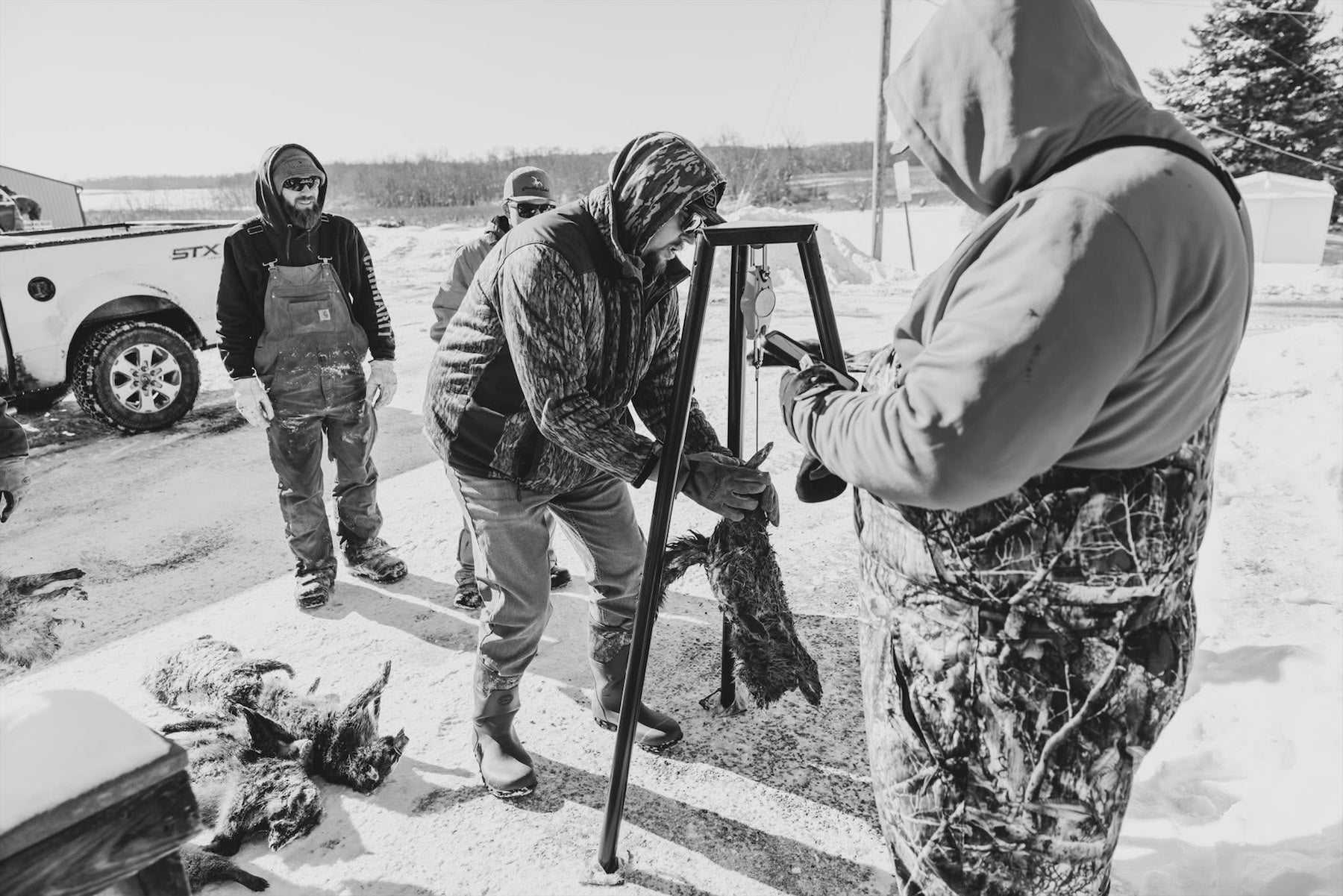
The hunting landscape is evolving faster than ever. New technologies, shifting wildlife patterns, updated state regulations, and a growing focus on conservation and ethical strategy are reshaping how hunters prepare, scout, and spend time in the field. As we move into 2026, several key trends are emerging that will influence the gear hunters choose, the techniques they rely on, and the expectations placed on responsible hunting practices.
Understanding these shifts now allows hunters, land managers, and conservation-minded sportsmen to adapt early — and put themselves in a stronger position for next season. Below is a forecast of what’s coming in 2026 and how to stay ahead of the curve.
1. Technology Continues to Reshape Scouting and Hunter Efficiency
Technology has always been an accelerant in the hunting world, but the advancements coming into focus for 2026 represent a new level of refinement. The surge in cellular trail camera use is at the forefront of that change.
Many hunters are moving away from traditional SD-card cameras in favor of cellular models that deliver instant intel without repeated field intrusion. This trend is accelerating for several reasons:
- Reduced pressure on bedding areas and feeding zones
- Real-time behavior mapping during weather shifts
- Better herd management through more consistent data
- Increased adoption of mobile app-based scouting tools
Hunters want faster, cleaner data — and they want it without disturbing the landscape. As connectivity improves across rural regions, cellular cameras will become the default rather than a luxury. Brands that focus on reliable transmission, rugged weather performance, and long battery life — such as Black Gate’s camera line — are positioned to thrive in this new era of scouting.
2. Ethical Considerations and Conservation Priorities Gain Momentum
Another defining trend for 2026 is the heightened emphasis on responsible harvest practices and ethical scouting. As public-land pressure grows and herd dynamics shift, hunters are embracing a more conservation-first mindset. Winter kill rates, predator fluctuations, and changing habitat conditions are making ethics more than a philosophical discussion; they are a practical necessity.
Expect conversations around the following topics to dominate forums, regulations, and hunter education programs:
- The ethical use of cellular trail cameras
- Fair chase considerations during technology adoption
- Reduced intrusion during sensitive seasons
- Increased protection of winter bedding areas
- Selective harvest strategies for herd balance
Hunters who balance modern gear with ethical boundaries will not only stay compliant with future regulations — they’ll protect long-term herd health and improve outcomes for years ahead.
3. Regulations Are Shifting in Multiple States
Several states are examining (or have already implemented) adjustments in trail-camera regulations, season structures, tagging requirements, and predator-management rules. While these changes vary regionally, the overall trend is clear: regulation is tightening around high-impact scouting, predator interactions, and data-aided hunting.
Key areas to watch in 2026 include:
- Restrictions or guidelines on cellular trail-camera timing
- Adjusted buck-to-doe ratio management requirements
- Expanded predator seasons in areas with rising coyote populations
- Limitations on baiting or mineral use in disease-risk zones
- Digital tagging and reporting requirements
Hunters who keep up with these evolving rules will stay ahead of enforcement shifts and adapt their scouting strategies accordingly. Reliable gear — particularly cameras that perform well in low-intrusion, set-and-forget conditions — will be even more valuable as regulations tighten.
4. Growing Community Interest in Small-Game, Predator, and Non-Traditional Hunts
As big-game pressure increases, many hunters are branching out. 2026 is projected to bring a rise in participation across a wider range of species and hunt styles.
Expect increased popularity in:
- Predator hunting (coyote, fox, bobcat)
- Small-game pursuits (rabbit, squirrel, upland species)
- Non-traditional opportunities such as night hunting where legal
- Off-season scouting challenges and wildlife photography
This diversification has several drivers: reduced tag availability, increased desire for year-round outdoor engagement, and a growing interest in learning broader wildlife behavior. Trail cameras — especially cellular models — will play an outsized role in tracking predators and understanding lesser-observed wildlife routines.
5. How Hunters Should Adapt in 2026
To stay effective in the changing landscape, hunters should consider a more strategic, data-driven, conservation-minded approach.
Practical recommendations include:
- Embrace cellular trail cameras for lower-pressure scouting.
- Rely on rugged, weather-resistant gear for extended deployments.
- Rotate cameras seasonally to minimize habitat disruption.
- Follow ethical frameworks even when regulations lag behind.
- Diversify your hunting skills across multiple species.
Black Gate’s cameras align naturally with these adaptations. Their durability, image clarity, and reliable cellular performance reduce unnecessary movement through bedding and transition zones — a key advantage in a regulatory environment moving toward less intrusion and more responsible scouting. Their rugged construction also fits the growing demand for gear that withstands harsh environments and long-term deployment.
Final Thoughts
Hunting in 2026 will look different — more connected, more conservation-driven, and more influenced by technology and ethics than ever before. Hunters who learn these emerging trends and adjust early will enjoy better data, healthier herds, and more successful seasons.
With the right mindset and the right gear, the next generation of scouting and hunting won’t be harder — it will simply be smarter.

Share:
Winter Trail-Cam Setup: How to Optimize Your Cameras for Cold & Snow
Interpreting Winter Game Patterns: What to Look for on Camera When Food & Cover Change